

Every group travel organizer knows the challenge of balancing unique preferences while building a unified adventure. Meeting the needs of travelers from different cultural backgrounds and financial comfort zones has a direct impact on whether the trip feels harmonious. This guide highlights collaborative budgeting strategies and practical tools like the Ttravel.me app, empowering Canadian, American, and European groups to manage costs fairly and improve every journey together.
Table of Contents
- Step 1: Define Group Goals And Preferences
- Step 2: Estimate Total Trip Expenses
- Step 3: Set Up Shared Budgeting Tools
- Step 4: Allocate Costs And Assign Responsibilities
- Step 5: Verify Budget Alignment And Adjust
- Step 6: Track Spending And Update In Real-Time
Quick Summary
| Essential Insight | Clarification |
|---|---|
| 1. Define Group Goals Clearly | Open discussions help align traveler preferences and expectations for a cohesive trip experience. |
| 2. Create a Detailed Budget | Listing all potential expenses ensures everyone is financially prepared and aligns group spending. |
| 3. Use Shared Budgeting Tools | Collaborative tools enhance transparency in tracking expenses and contributions among group members. |
| 4. Fairly Allocate Costs and Responsibilities | Distributing expenses and tasks equitably fosters accountability and minimizes conflicts. |
| 5. Continuously Track Spending | Real-time tracking of expenses prevents budget overruns and maintains financial harmony during travel. |
Step 1: Define group goals and preferences
Starting a group travel adventure begins with understanding the unique objectives and preferences of every traveler. Traveler preferences research demonstrates that aligning individual expectations is crucial for creating a harmonious and enjoyable experience.
To effectively define group goals, start by hosting an open and honest conversation with all potential travelers. Create a collaborative environment where everyone can share their travel objectives, budget expectations, and personal interests. This might involve a group video call, shared digital survey, or in-person meetup where you can discuss:
- Dream destinations and bucket list locations
- Preferred travel styles (luxury vs. budget, adventure vs. relaxation)
- Time availability and potential travel dates
- Individual comfort levels with different activities
- Budget constraints and spending preferences
During this discussion, encourage transparency and compromise. Some group members might prioritize cultural experiences, while others want outdoor adventures or relaxation. Your goal is finding a balanced travel plan that satisfies most participants.
Successful group travel requires finding the sweet spot between individual desires and collective harmony.
Consider using digital tools like shared spreadsheets or collaborative planning apps to track everyone’s input and preferences. This approach ensures that no voice gets overlooked and provides a transparent record of group decisions.
Pro tip: Create a weighted scoring system where each traveler can rate potential destinations and activities to find the most universally appealing options.
Step 2: Estimate total trip expenses
Budget planning is the financial backbone of any successful group travel adventure. Comprehensive trip expense estimation requires a detailed breakdown of anticipated costs that ensures everyone is financially prepared and aligned.
To create an accurate budget, begin by listing all potential expense categories. These typically include:
- Transportation costs (flights, trains, buses, car rentals)
- Accommodation expenses
- Meals and dining
- Activity and entertainment fees
- Equipment or gear rentals
- Travel insurance
- Emergency and contingency funds
Forecasting trip expenses involves collecting input from every group member about their personal spending limits and financial comfort zones. This collaborative approach prevents unexpected financial stress and helps create a realistic budget that works for everyone.
A well-planned budget is the foundation of a stress-free group travel experience.
Consider using shared digital spreadsheets where each traveler can input their estimated contributions and expected expenses. This transparency helps identify potential financial gaps and allows the group to make informed adjustments before finalizing travel plans.

Pro tip: Always include a 10-15% buffer in your total budget to account for unexpected expenses or spontaneous group activities.
Step 3: Set up shared budgeting tools
Creating a transparent and collaborative financial tracking system is crucial for successful group travel. Shared budgeting strategies enable all travelers to monitor expenses, track contributions, and maintain financial accountability throughout the trip.
Choose a shared budgeting tool that works best for your group’s tech comfort level and communication style. Your options typically include:
- Digital spreadsheet platforms (Google Sheets, Microsoft Excel Online)
- Dedicated expense-sharing mobile apps
- Group financial tracking software
- Cloud-based collaborative documents
- Shared banking or payment platforms
When selecting a tool, consider features like real-time expense tracking, receipt uploading capabilities, and automatic calculation functions. Each group member should have equal access and permission to input and review financial information.
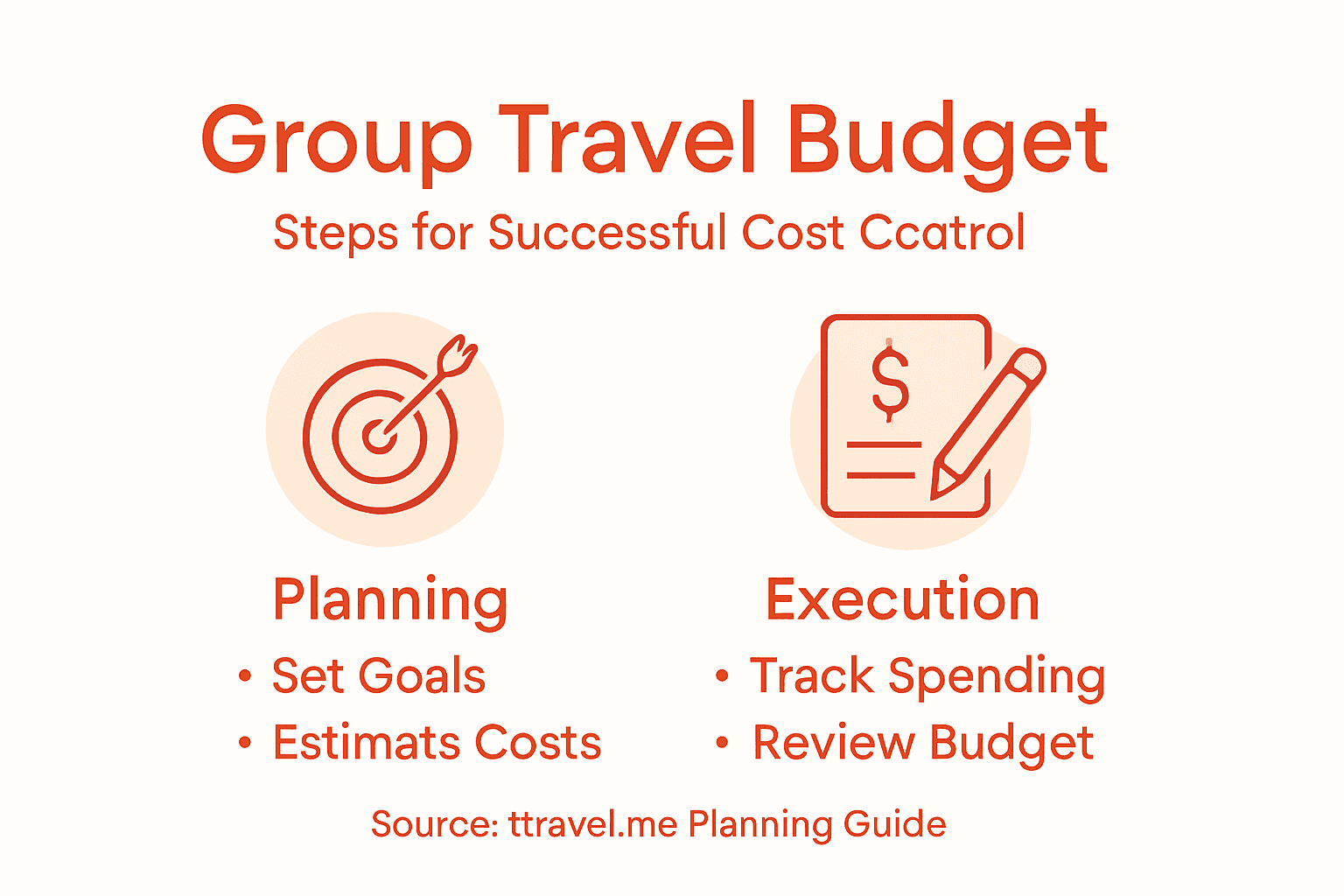
Here’s a quick guide to the most popular group budgeting tools and their main strengths:
| Tool Type | Ease of Use | Key Features | Best For |
|---|---|---|---|
| Shared Spreadsheets | Very user-friendly | Customizable, flexible calculations | Groups comfortable with spreadsheets |
| Expense-Sharing Apps | Highly intuitive | Real-time tracking, mobile friendly | Tech-savvy, on-the-go travelers |
| Financial Tracking Software | Moderate | Detailed reports, automation | Large groups, complex transactions |
| Shared Payment Platforms | Simple | Integrated payments, instant transfer | Groups splitting payments directly |
Transparency in group financial planning prevents misunderstandings and builds trust among travelers.
Ensure everyone understands how to use the chosen platform by hosting a quick tutorial session. This might involve a group video call where you walk through the tool’s basic functions and demonstrate how to log expenses, split costs, and generate financial reports.
Pro tip: Assign a designated “financial coordinator” who can help troubleshoot the budgeting tool and ensure consistent usage throughout the trip.
Step 4: Allocate costs and assign responsibilities
Group travel cost allocation requires a strategic approach to ensure fair financial distribution and clear task management. Successfully dividing expenses and responsibilities prevents potential conflicts and creates a smooth planning experience for everyone involved.
When allocating costs and responsibilities, consider these key strategies:
- Proportional cost sharing based on individual income levels
- Equal split methods for shared expenses
- Task assignments matching individual strengths and skills
- Rotating responsibilities to distribute workload fairly
- Transparent communication about financial expectations
Break down group responsibilities into specific categories that each traveler can manage. These might include:
- Transportation coordination
- Accommodation booking
- Activity and tour research
- Meal planning
- Emergency fund management
Fair cost allocation and responsibility distribution are the cornerstones of successful group travel planning.
Document each person’s assigned tasks and financial commitments in your shared budgeting tool. This written agreement helps create accountability and provides a clear reference point for all group members throughout the planning process.
This table highlights ways to allocate group travel costs and responsibilities for increased fairness:
| Allocation Method | Financial Impact | Group Benefits |
|---|---|---|
| Proportional cost sharing | Reflects income differences | Increases perceived fairness |
| Equal split | Simplifies calculation | Easy to manage |
| Rotating responsibility schedule | Distributes workload evenly | Boosts group involvement |
| Task assignment by strengths | Improves efficiency | Leverages individual skills |
Pro tip: Create a rotating responsibility schedule that allows each group member to lead a different aspect of trip planning, ensuring everyone feels equally involved and valued.
Step 5: Verify budget alignment and adjust
Ongoing budget verification is essential for maintaining financial harmony during group travel planning. Regularly checking your collective spending against initial estimates helps prevent unexpected financial stress and ensures everyone remains comfortable with the trip’s financial trajectory.
To effectively verify and adjust your budget, implement these strategic review processes:
- Monthly budget check-ins
- Real-time expense tracking
- Identifying potential cost overruns early
- Discussing and negotiating adjustments collaboratively
- Maintaining flexibility in spending categories
Group budget communication strategies require open and honest dialogue about financial realities. Break down your review process into specific actions:
- Compare actual expenses against initial estimates
- Highlight categories with significant deviations
- Discuss potential cost-cutting strategies
- Redistribute funds if necessary
- Update shared budget tracking tool
Successful group travel budgeting is about continuous adaptation, not rigid adherence to an initial plan.
Remember that budget adjustments are normal and should not create tension. Approach each review as a collaborative problem-solving session where everyone’s financial comfort matters.
Pro tip: Schedule quarterly budget review meetings with a structured agenda to make financial discussions feel less stressful and more productive.
Step 6: Track spending and update in real-time
Continuous expenditure tracking transforms group travel financial management from reactive to proactive. Real-time expense monitoring allows your group to make instant financial decisions and prevent budget overruns before they become problematic.
Implement these strategic tracking techniques to maintain financial transparency:
- Utilize mobile expense tracking apps
- Photograph and upload receipts immediately
- Record expenses within minutes of spending
- Tag expenses by category
- Set automated spending alerts
- Share transaction details instantly
Create a group tracking system with these practical steps:
- Choose a shared digital platform
- Establish clear recording guidelines
- Assign individual tracking responsibilities
- Schedule daily expense review sessions
- Maintain consistent documentation standards
Consistent and immediate expense tracking is the key to financial harmony in group travel.
Ensure every group member understands the importance of immediate documentation. A five-minute delay in recording an expense can lead to forgotten transactions and inaccurate budget assessments.
Pro tip: Designate a “finance buddy” who can help teammates quickly log expenses and troubleshoot tracking challenges during the trip.
Take Control of Your Group Travel Budget With Smart Planning Tools
Group travel budgeting can feel overwhelming when trying to balance everyone’s preferences and track expenses in real time. This guide highlights common challenges like aligning travel goals, fair cost allocation, and staying within budget while avoiding financial stress. If managing shared expenses and responsibilities sounds familiar, you are not alone. Clear communication and transparent financial tracking are key to a smooth group trip planning experience.
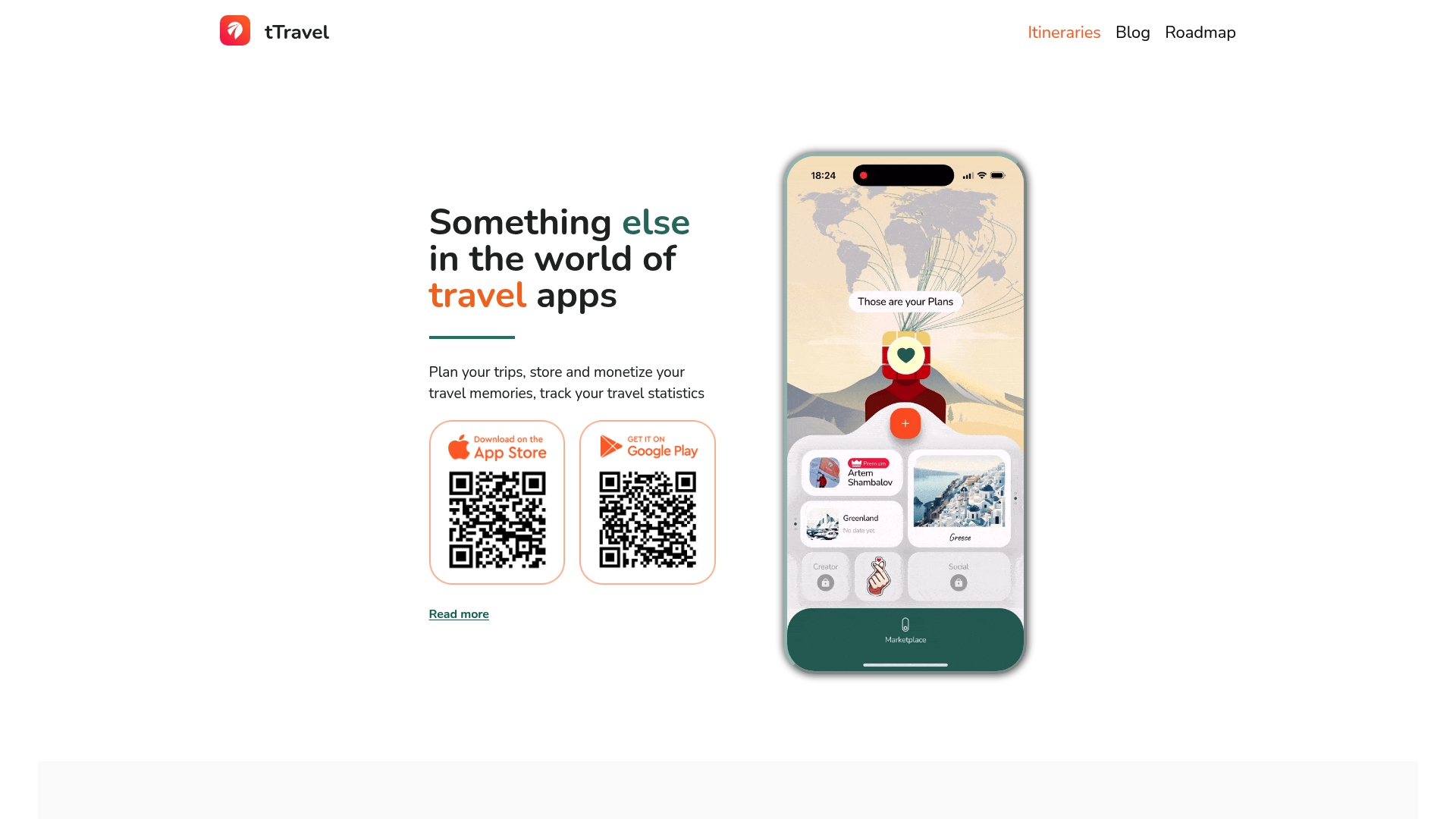
Discover how ttravel.me helps you overcome these challenges by providing a user-friendly platform that lets you coordinate itineraries, monitor budgets, and assign tasks all in one place. Whether you want to store travel diaries or share unique routes verified by trusted travelers, the mobile app makes trip planning easier and more enjoyable. Take charge of your group travel budget today by starting your journey with ttravel.me and explore features designed to keep your adventure organized and affordable right from the beginning.
Frequently Asked Questions
How can I establish a budget for group travel?
Start by listing all potential expense categories, such as transportation, accommodation, meals, and activities. Then, encourage each group member to provide input on their spending limits and preferences to create a realistic budget that accommodates everyone.
What tools can I use to track group travel expenses?
Consider using shared budgeting tools like digital spreadsheets, expense-sharing apps, or cloud-based documents that allow real-time input and tracking. Choose a platform everyone is comfortable with, and ensure all group members can access and update the financial information consistently.
How do I allocate costs fairly among group members?
Use proportional cost sharing based on income levels or opt for an equal split for shared expenses. Clearly document each person’s financial commitments and areas of responsibility in your shared budgeting tool to maintain transparency and accountability.
When should I review the budget during group travel planning?
Regularly verify the budget, ideally with monthly check-ins or whenever there’s a significant spending change. Discuss any necessary adjustments collaboratively to ensure everyone stays financially comfortable and informed throughout the planning process.
How can I handle unexpected expenses during the trip?
Always include a 10-15% buffer in your budget for unplanned costs. If unexpected expenses arise, discuss with the group and adjust the budget as needed to ensure everyone agrees on how to manage the additional costs.
Leave a Reply