
Uncategorized

  • Group Travel Budgeting Guide for Cost Control Success

    Group Travel Budgeting Guide for Cost Control Success

    Every group travel organizer knows the challenge of balancing unique preferences while building a unified adventure. Meeting the needs of travelers from different cultural backgrounds and financial comfort zones has a direct impact on whether the trip feels harmonious. This guide highlights collaborative budgeting strategies and practical tools like the Ttravel.me app, empowering Canadian, American, and European groups to manage costs fairly and improve every journey together.

    Table of Contents

    Quick Summary

    Essential Insight Clarification
    1. Define Group Goals Clearly Open discussions help align traveler preferences and expectations for a cohesive trip experience.
    2. Create a Detailed Budget Listing all potential expenses ensures everyone is financially prepared and aligns group spending.
    3. Use Shared Budgeting Tools Collaborative tools enhance transparency in tracking expenses and contributions among group members.
    4. Fairly Allocate Costs and Responsibilities Distributing expenses and tasks equitably fosters accountability and minimizes conflicts.
    5. Continuously Track Spending Real-time tracking of expenses prevents budget overruns and maintains financial harmony during travel.

    Step 1: Define group goals and preferences

    Starting a group travel adventure begins with understanding the unique objectives and preferences of every traveler. Traveler preferences research demonstrates that aligning individual expectations is crucial for creating a harmonious and enjoyable experience.

    To effectively define group goals, start by hosting an open and honest conversation with all potential travelers. Create a collaborative environment where everyone can share their travel objectives, budget expectations, and personal interests. This might involve a group video call, shared digital survey, or in-person meetup where you can discuss:

    • Dream destinations and bucket list locations
    • Preferred travel styles (luxury vs. budget, adventure vs. relaxation)
    • Time availability and potential travel dates
    • Individual comfort levels with different activities
    • Budget constraints and spending preferences

    During this discussion, encourage transparency and compromise. Some group members might prioritize cultural experiences, while others want outdoor adventures or relaxation. Your goal is finding a balanced travel plan that satisfies most participants.

    Successful group travel requires finding the sweet spot between individual desires and collective harmony.

    Consider using digital tools like shared spreadsheets or collaborative planning apps to track everyone’s input and preferences. This approach ensures that no voice gets overlooked and provides a transparent record of group decisions.

    Pro tip: Create a weighted scoring system where each traveler can rate potential destinations and activities to find the most universally appealing options.

    Step 2: Estimate total trip expenses

    Budget planning is the financial backbone of any successful group travel adventure. Comprehensive trip expense estimation requires a detailed breakdown of anticipated costs that ensures everyone is financially prepared and aligned.

    To create an accurate budget, begin by listing all potential expense categories. These typically include:

    • Transportation costs (flights, trains, buses, car rentals)
    • Accommodation expenses
    • Meals and dining
    • Activity and entertainment fees
    • Equipment or gear rentals
    • Travel insurance
    • Emergency and contingency funds

    Forecasting trip expenses involves collecting input from every group member about their personal spending limits and financial comfort zones. This collaborative approach prevents unexpected financial stress and helps create a realistic budget that works for everyone.

    A well-planned budget is the foundation of a stress-free group travel experience.

    Consider using shared digital spreadsheets where each traveler can input their estimated contributions and expected expenses. This transparency helps identify potential financial gaps and allows the group to make informed adjustments before finalizing travel plans.

    Traveler updating group expense spreadsheet

    Pro tip: Always include a 10-15% buffer in your total budget to account for unexpected expenses or spontaneous group activities.

    Step 3: Set up shared budgeting tools

    Creating a transparent and collaborative financial tracking system is crucial for successful group travel. Shared budgeting strategies enable all travelers to monitor expenses, track contributions, and maintain financial accountability throughout the trip.

    Choose a shared budgeting tool that works best for your group’s tech comfort level and communication style. Your options typically include:

    • Digital spreadsheet platforms (Google Sheets, Microsoft Excel Online)
    • Dedicated expense-sharing mobile apps
    • Group financial tracking software
    • Cloud-based collaborative documents
    • Shared banking or payment platforms

    When selecting a tool, consider features like real-time expense tracking, receipt uploading capabilities, and automatic calculation functions. Each group member should have equal access and permission to input and review financial information.
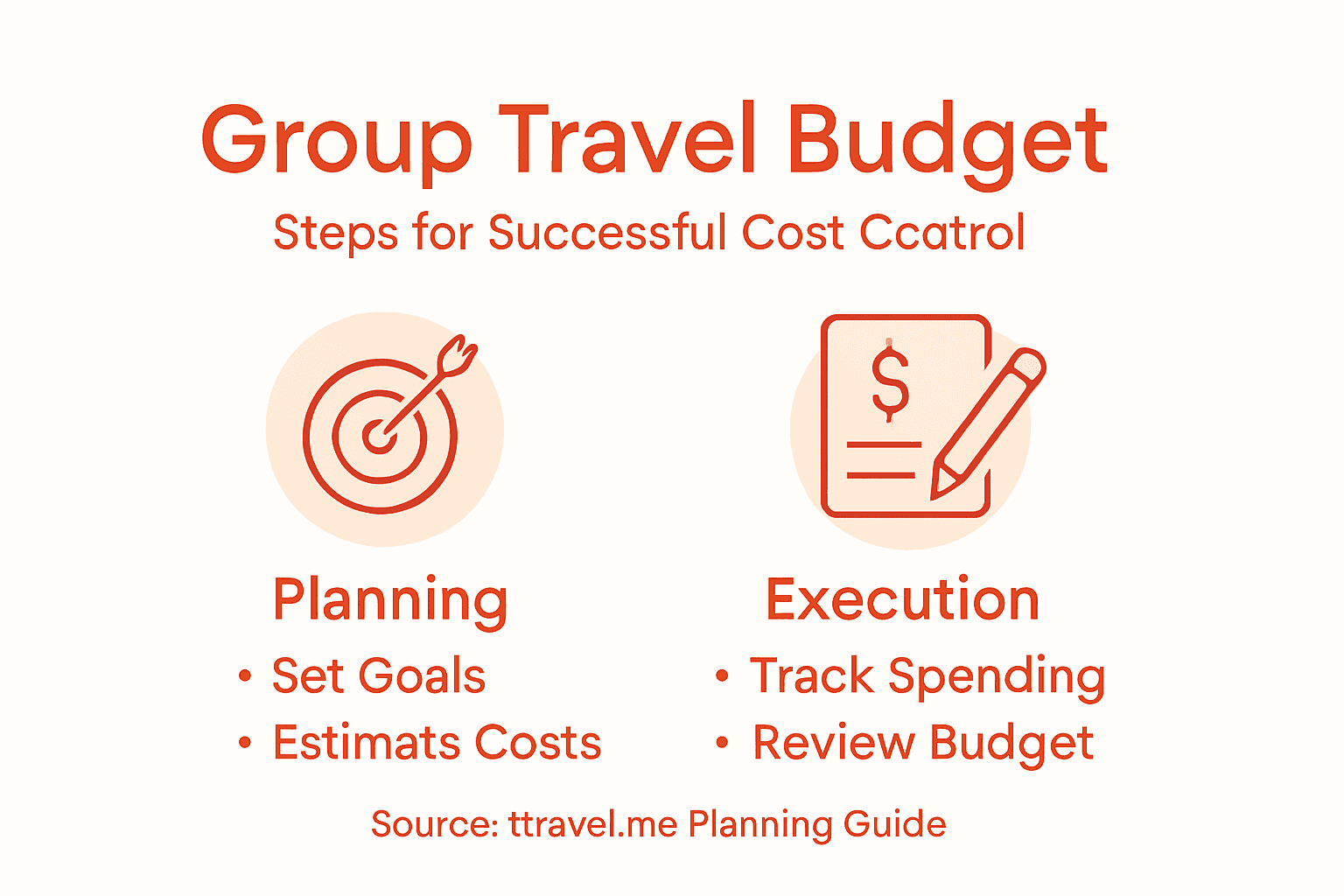
    Infographic of group travel budgeting steps

    Here’s a quick guide to the most popular group budgeting tools and their main strengths:

    Tool Type Ease of Use Key Features Best For
    Shared Spreadsheets Very user-friendly Customizable, flexible calculations Groups comfortable with spreadsheets
    Expense-Sharing Apps Highly intuitive Real-time tracking, mobile friendly Tech-savvy, on-the-go travelers
    Financial Tracking Software Moderate Detailed reports, automation Large groups, complex transactions
    Shared Payment Platforms Simple Integrated payments, instant transfer Groups splitting payments directly

    Transparency in group financial planning prevents misunderstandings and builds trust among travelers.

    Ensure everyone understands how to use the chosen platform by hosting a quick tutorial session. This might involve a group video call where you walk through the tool’s basic functions and demonstrate how to log expenses, split costs, and generate financial reports.

    Pro tip: Assign a designated “financial coordinator” who can help troubleshoot the budgeting tool and ensure consistent usage throughout the trip.

    Step 4: Allocate costs and assign responsibilities

    Group travel cost allocation requires a strategic approach to ensure fair financial distribution and clear task management. Successfully dividing expenses and responsibilities prevents potential conflicts and creates a smooth planning experience for everyone involved.

    When allocating costs and responsibilities, consider these key strategies:

    • Proportional cost sharing based on individual income levels
    • Equal split methods for shared expenses
    • Task assignments matching individual strengths and skills
    • Rotating responsibilities to distribute workload fairly
    • Transparent communication about financial expectations

    Break down group responsibilities into specific categories that each traveler can manage. These might include:

    1. Transportation coordination
    2. Accommodation booking
    3. Activity and tour research
    4. Meal planning
    5. Emergency fund management

    Fair cost allocation and responsibility distribution are the cornerstones of successful group travel planning.

    Document each person’s assigned tasks and financial commitments in your shared budgeting tool. This written agreement helps create accountability and provides a clear reference point for all group members throughout the planning process.

    This table highlights ways to allocate group travel costs and responsibilities for increased fairness:

    Allocation Method Financial Impact Group Benefits
    Proportional cost sharing Reflects income differences Increases perceived fairness
    Equal split Simplifies calculation Easy to manage
    Rotating responsibility schedule Distributes workload evenly Boosts group involvement
    Task assignment by strengths Improves efficiency Leverages individual skills

    Pro tip: Create a rotating responsibility schedule that allows each group member to lead a different aspect of trip planning, ensuring everyone feels equally involved and valued.

    Step 5: Verify budget alignment and adjust

    Ongoing budget verification is essential for maintaining financial harmony during group travel planning. Regularly checking your collective spending against initial estimates helps prevent unexpected financial stress and ensures everyone remains comfortable with the trip’s financial trajectory.

    To effectively verify and adjust your budget, implement these strategic review processes:

    • Monthly budget check-ins
    • Real-time expense tracking
    • Identifying potential cost overruns early
    • Discussing and negotiating adjustments collaboratively
    • Maintaining flexibility in spending categories

    Group budget communication strategies require open and honest dialogue about financial realities. Break down your review process into specific actions:

    1. Compare actual expenses against initial estimates
    2. Highlight categories with significant deviations
    3. Discuss potential cost-cutting strategies
    4. Redistribute funds if necessary
    5. Update shared budget tracking tool

    Successful group travel budgeting is about continuous adaptation, not rigid adherence to an initial plan.

    Remember that budget adjustments are normal and should not create tension. Approach each review as a collaborative problem-solving session where everyone’s financial comfort matters.

    Pro tip: Schedule quarterly budget review meetings with a structured agenda to make financial discussions feel less stressful and more productive.

    Step 6: Track spending and update in real-time

    Continuous expenditure tracking transforms group travel financial management from reactive to proactive. Real-time expense monitoring allows your group to make instant financial decisions and prevent budget overruns before they become problematic.

    Implement these strategic tracking techniques to maintain financial transparency:

    • Utilize mobile expense tracking apps
    • Photograph and upload receipts immediately
    • Record expenses within minutes of spending
    • Tag expenses by category
    • Set automated spending alerts
    • Share transaction details instantly

    Create a group tracking system with these practical steps:

    1. Choose a shared digital platform
    2. Establish clear recording guidelines
    3. Assign individual tracking responsibilities
    4. Schedule daily expense review sessions
    5. Maintain consistent documentation standards

    Consistent and immediate expense tracking is the key to financial harmony in group travel.

    Ensure every group member understands the importance of immediate documentation. A five-minute delay in recording an expense can lead to forgotten transactions and inaccurate budget assessments.

    Pro tip: Designate a “finance buddy” who can help teammates quickly log expenses and troubleshoot tracking challenges during the trip.

    Take Control of Your Group Travel Budget With Smart Planning Tools

    Group travel budgeting can feel overwhelming when trying to balance everyone’s preferences and track expenses in real time. This guide highlights common challenges like aligning travel goals, fair cost allocation, and staying within budget while avoiding financial stress. If managing shared expenses and responsibilities sounds familiar, you are not alone. Clear communication and transparent financial tracking are key to a smooth group trip planning experience.
    https://ttravel.me

    Discover how ttravel.me helps you overcome these challenges by providing a user-friendly platform that lets you coordinate itineraries, monitor budgets, and assign tasks all in one place. Whether you want to store travel diaries or share unique routes verified by trusted travelers, the mobile app makes trip planning easier and more enjoyable. Take charge of your group travel budget today by starting your journey with ttravel.me and explore features designed to keep your adventure organized and affordable right from the beginning.

    Frequently Asked Questions

    How can I establish a budget for group travel?

    Start by listing all potential expense categories, such as transportation, accommodation, meals, and activities. Then, encourage each group member to provide input on their spending limits and preferences to create a realistic budget that accommodates everyone.

    What tools can I use to track group travel expenses?

    Consider using shared budgeting tools like digital spreadsheets, expense-sharing apps, or cloud-based documents that allow real-time input and tracking. Choose a platform everyone is comfortable with, and ensure all group members can access and update the financial information consistently.

    How do I allocate costs fairly among group members?

    Use proportional cost sharing based on income levels or opt for an equal split for shared expenses. Clearly document each person’s financial commitments and areas of responsibility in your shared budgeting tool to maintain transparency and accountability.

    When should I review the budget during group travel planning?

    Regularly verify the budget, ideally with monthly check-ins or whenever there’s a significant spending change. Discuss any necessary adjustments collaboratively to ensure everyone stays financially comfortable and informed throughout the planning process.

    How can I handle unexpected expenses during the trip?

    Always include a 10-15% buffer in your budget for unplanned costs. If unexpected expenses arise, discuss with the group and adjust the budget as needed to ensure everyone agrees on how to manage the additional costs.

    Article generated by BabyLoveGrowth

  • Explaining Unique Travel Itineraries for Content Creators

    Explaining Unique Travel Itineraries for Content Creators

    Bold travelers and creative storytellers often struggle to find journeys that match their unique vision. Travel bloggers and digital content creators need more than simple destination lists to deliver standout narratives and captivate their audiences. Discover how personalized itinerary design blends advanced recommendations, strategic route planning, and cultural immersion to help you create distinctive experiences that drive engagement and set your content apart from ordinary tourism.

    Table of Contents

    Key Takeaways

    Point Details
    Personalization is Key Unique travel itineraries should be tailored to individual interests, enhancing engagement and satisfaction.
    Narrative Focus Travel experiences should prioritize compelling storytelling over merely visiting numerous destinations.
    Utilize Digital Tools Leveraging technology can optimize itinerary planning and enhance storytelling through multimedia integration.
    Monetization Strategy Creators should develop a transparent monetization strategy that prioritizes audience value while maintaining authenticity.

    What Makes a Travel Itinerary Unique

    Travel itineraries are not simply lists of destinations – they represent carefully curated experiences tailored to individual preferences and storytelling goals. For content creators, a truly unique travel itinerary transcends standard tourist routes by incorporating personalized elements that reflect individual interests, creative vision, and strategic content production objectives.

    Unique travel itineraries distinguish themselves through several key characteristics:

    • Personalized Route Design: Crafting routes that align with specific content themes or storytelling goals
    • Strategic Location Selection: Choosing destinations that offer distinctive visual, cultural, or narrative opportunities
    • Creative Temporal Planning: Designing timelines that maximize content potential and visual diversity
    • Audience-Centric Approach: Developing experiences that resonate with specific viewer demographics

    Personalization is critical in creating distinctive travel experiences. Advanced optimization models now allow creators to develop itineraries that maximize user satisfaction by considering individual interests, spatial constraints, and point-of-interest characteristics. These models analyze factors like site visit durations, recency of locations, and user-generated visual data to create truly customized journeys.

    Successful content creators understand that unique travel itineraries are not about visiting the most locations, but about crafting meaningful narratives. This means selecting destinations that offer compelling visual stories, cultural depth, and opportunities for authentic engagement.

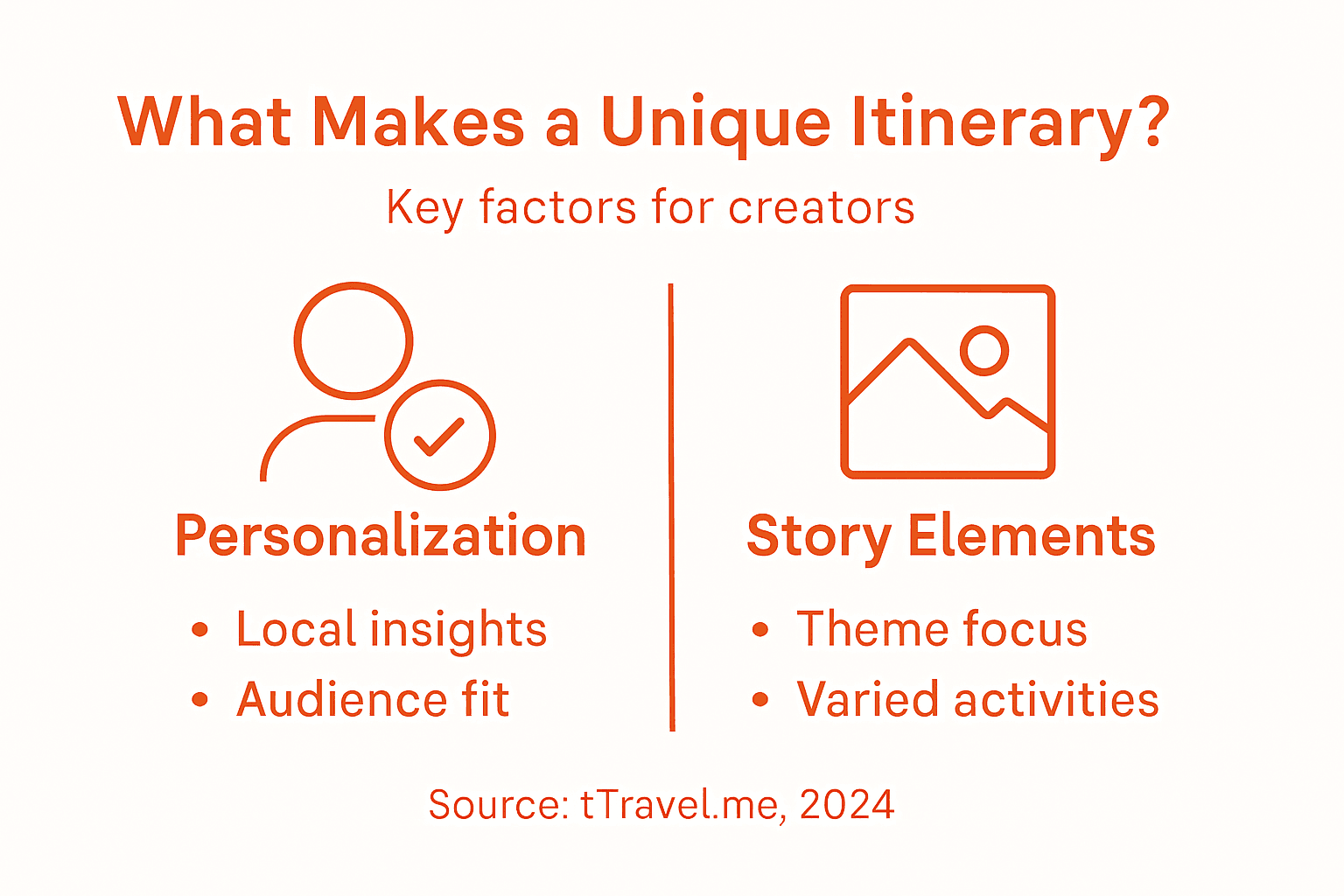
    Infographic unique travel itinerary factors overview

    Pro tip: Research destinations thoroughly and prioritize locations that offer multi-dimensional storytelling potential beyond typical tourist experiences.

    Types of Unique Travel Itineraries Today

    Travel itineraries have evolved dramatically beyond traditional tourism, offering content creators unprecedented opportunities to craft distinctive experiences that resonate with diverse audience interests. Emerging travel models now encompass multiple specialized categories that go far beyond standard sightseeing approaches.

    Unique travel itinerary types include:

    • Adventure Travel: High-intensity experiences focused on physical challenges and exploration
    • Volunteer Tourism: Trips combining travel with meaningful community service
    • Cultural Immersion: Deep engagement with local traditions, languages, and everyday life
    • Eco-Tourism: Sustainable travel experiences emphasizing environmental conservation
    • Academic Exploration: Thematic journeys centered around learning and intellectual discovery
    • Slow Travel: Intentional, unhurried experiences prioritizing depth over breadth

    Thematic academic tours represent a particularly fascinating category of unique travel experiences. These meticulously designed journeys allow content creators to develop narratives around specific cultural, historical, or geographical themes, transforming traditional travel into rich storytelling opportunities.

    Successful content creators recognize that unique travel itineraries are not just about destinations, but about crafting compelling narratives that offer audiences genuine insights into different cultures, landscapes, and human experiences. By selecting specialized travel models, creators can develop content that goes beyond surface-level tourism and provides meaningful, transformative storytelling.

    Pro tip: Design your travel itinerary around a specific narrative theme that will captivate your audience and differentiate your content from standard travel documentation.

    Here’s a comparison of specialized travel itinerary types and their ideal content creation applications:

    Itinerary Type Typical Activities Best For Content Focus
    Adventure Travel Hiking, skiing, diving Action, adrenaline storytelling
    Volunteer Tourism Community service, teaching Social impact narratives
    Cultural Immersion Local festivals, homestays Deep cultural exploration
    Eco-Tourism Wildlife tours, conservation Sustainability, nature stories
    Academic Exploration Museum visits, lectures Educational, theme-driven posts
    Slow Travel Extended stays, local living In-depth location features

    Key Elements of Effective Itinerary Design

    Crafting an exceptional travel itinerary requires more than simply listing destinations – it demands a strategic approach that balances logistics, creativity, and user experience. Professional itinerary design involves creating a comprehensive framework that anticipates traveler needs while maintaining flexibility for unexpected experiences.

    Key components of effective itinerary design include:

    • Chronological Sequencing: Logical progression of destinations and activities
    • Detailed Logistics: Comprehensive transportation and accommodation planning
    • Cultural Context: Meaningful insights about each destination
    • Flexible Scheduling: Balance between structured activities and spontaneous exploration
    • Emergency Preparedness: Contact information and backup plans
    • Digital Compatibility: Easy-to-update and shareable format

    Thorough destination research forms the foundation of an outstanding travel plan. Content creators must dive deep into local experiences, understanding not just geographical routes but the cultural, historical, and experiential nuances that transform a simple trip into a compelling narrative.

    Person researching unique travel destinations at home

    Successful itinerary design requires creators to think like both a strategic planner and a storyteller. This means anticipating practical needs while simultaneously crafting a journey that offers meaningful connections, unexpected discoveries, and opportunities for authentic content creation.

    Pro tip: Create a modular itinerary design that allows for real-time adjustments while maintaining your core narrative structure.

    Digital Tools for Creative Itinerary Creation

    The digital landscape has revolutionized travel content creation, offering content creators an unprecedented array of technological tools to design, document, and share unique travel experiences. Digital creator resources now provide sophisticated platforms that transform traditional trip planning into dynamic, interactive storytelling opportunities.

    Essential digital tools for creative itinerary development include:

    • Route Mapping Software: Visualization and optimization of travel paths
    • Cloud-Based Collaboration Platforms: Real-time sharing and editing capabilities
    • Mobile Trip Tracking Applications: GPS-enabled journey documentation
    • Interactive Timeline Generators: Chronological experience visualization
    • Multimedia Content Integration Tools: Seamless media capture and organization
    • Collaborative Editing Platforms: Multi-user trip planning and refinement

    Content creators must strategically leverage these digital resources to transform raw travel data into compelling narratives. Technology enables precise route planning, comprehensive documentation, and immersive storytelling that goes beyond traditional travel journaling.

    Successful digital itinerary creation requires understanding how different tools can work synergistically to capture, enhance, and share travel experiences. By integrating various digital platforms, creators can develop rich, multi-dimensional travel stories that engage audiences and provide genuine insights into global destinations.

    Pro tip: Experiment with multiple digital tools and create a personalized workflow that streamlines your content creation process.

    To help in itinerary design, here’s how digital tools align with key content creation goals:

    Tool Type Primary Benefit Content Creation Impact
    Route Mapping Software Visualize and optimize journeys Consistent narrative structure
    Cloud-Based Collaboration Real-time team updates Efficient co-creation
    Mobile Trip Tracking Apps GPS logging and media capture Authenticity through live sharing
    Multimedia Content Integration Seamless photo/video management Cohesive multi-format storytelling
    Interactive Timeline Generators Chronological content overview Organized visual narratives

    Risks, Mistakes, and Monetization Considerations

    Navigating the travel content creation landscape requires strategic awareness of potential pitfalls and opportunities. Critical monetization mistakes can significantly impact a creator’s long-term success and professional reputation.

    Common risks and challenges for content creators include:

    • Vanity Metric Obsession: Prioritizing likes and followers over genuine engagement
    • Income Stream Fragility: Relying on single revenue sources
    • Legal Compliance Issues: Failing to disclose sponsorships or partnerships
    • Audience Trust Erosion: Compromising authenticity for commercial opportunities
    • Burnout and Sustainability: Overcommitting without strategic planning
    • Regulatory Non-Compliance: Ignoring industry-specific content guidelines

    Travel industry guidelines emphasize the critical importance of maintaining transparency and ethical standards. Successful creators must balance commercial interests with genuine storytelling, ensuring that sponsored content and partnerships remain authentic and valuable to their audience.

    Monetization strategies require careful navigation, understanding that long-term success depends on building trust, maintaining creative integrity, and developing diversified revenue approaches that align with audience expectations and industry standards.

    Pro tip: Develop a clear content monetization strategy that prioritizes audience value and maintains transparency in all professional relationships.

    Elevate Your Unique Travel Itineraries with tTravel.me

    Creating personalized travel plans that go beyond standard routes requires tools designed for content creators who value storytelling, cultural immersion, and authentic engagement. This article highlights the importance of strategic itinerary design, digital tools, and audience-centric approaches to craft impactful travel content. At tTravel.me, we understand these challenges and provide a mobile app tailored to help you plan, document, and share your journeys with ease.

    https://ttravel.me

    Unlock the full potential of your travel storytelling by using tTravel.me to access human-verified, unique itineraries crafted by travel bloggers and influencers worldwide. Our platform offers comprehensive trip planning assistance, route management, and multimedia diary features that bring your narratives to life. To start creating meaningful and flexible itineraries that resonate with your audience, explore how our digital toolkit complements your planning process and transforms your travel content. Visit tTravel.me and take your storytelling to the next level today.

    Frequently Asked Questions

    What are the key characteristics of a unique travel itinerary?

    Unique travel itineraries feature personalized route design, strategic location selection, creative temporal planning, and an audience-centric approach that reflects individual preferences and storytelling goals.

    How can I design a travel itinerary that stands out?

    To create a standout travel itinerary, focus on personalization, research destinations thoroughly, build narratives around specific themes, and consider the cultural context of each location for deeper storytelling.

    What types of travel itineraries are considered unique today?

    Unique travel itineraries can include adventure travel, cultural immersion, volunteer tourism, eco-tourism, academic exploration, and slow travel, each offering different focuses and experiences.

    What digital tools can I use for creating a travel itinerary?

    Content creators can utilize route mapping software, cloud-based collaboration platforms, mobile trip tracking applications, multimedia content integration tools, and interactive timeline generators to enhance their itinerary design and storytelling.

    Article generated by BabyLoveGrowth